

Running HIPAA compliant meta ads for your dental practice isn’t just good practice—it’s essential. Your dental business needs marketing to grow, but this highly regulated space comes with serious compliance requirements. This is especially true for facebook marketing for dental office campaigns, where data collection and targeting must be handled with extra care.
Dental professionals like us understand the challenges of marketing effectively while remaining HIPAA-compliant. These challenges are common in social media marketing for dentists, where platforms are not built for healthcare compliance by default. The Health Insurance Portability and Accountability Act came before the electronic age and strictly controls how patient information can be used in marketing. Running HIPAA-compliant marketing needs careful planning, especially when you use tools like the HIPAA meta pixel to track conversions.
Meta’s (Facebook) Leads Center lacks HIPAA compliance by design, and standard usage puts your dental practice at risk of breaking regulations. You become solely responsible for any breaches because Meta has no obligation to protect Protected Health Information according to HIPAA standards without a Business Associate Agreement (BAA).
Here, we will show you how to advertise your dental practice on Meta platforms while staying HIPAA compliant. This guidance applies directly to meta ads dental clinics rely on for patient acquisition. You’ll learn everything from building secure lead forms to setting up proper tracking. We’ll help you grow your practice safely without compromising patient privacy.
Why HIPAA Compliance Matters in Dental Ads
HIPAA violations can cost dental practices a lot of money. Penalties range up to $50,000 per violation, and they can add up to $1.5 million yearly for each violation category. The impact goes beyond just money – practices could face criminal charges, jail time, and might lose their medical licenses or certification.
Real cases show just how serious this is. Dental practices paid $305,500 in HIPAA fines during 2022, and three of them settled for $142,500 that year. A dental practice in North Carolina had to pay $50,000 just because they responded to a bad review by sharing patient information.
Simple mistakes often lead to these violations. The Office for Civil Rights (OCR) gives practices 30 days to provide patients with their records, but many fail to meet this deadline. On top of that, it breaks HIPAA rules to confirm someone’s patient status online, even if they mentioned it first.
HIPAA violations hurt your reputation, too. Any breach affecting more than 500 patients ends up on OCR’s “Wall of Shame” – a public list that potential patients might find during their research. You need HIPAA compliant marketing strategies, especially when you have Meta ads platforms, to protect your money, practice’s reputation, and patients’ trust. Well-structured facebook marketing for dental office efforts focus on education and interest-based targeting rather than sensitive patient data.
Build a HIPAA-Safe Meta Ads Funnel
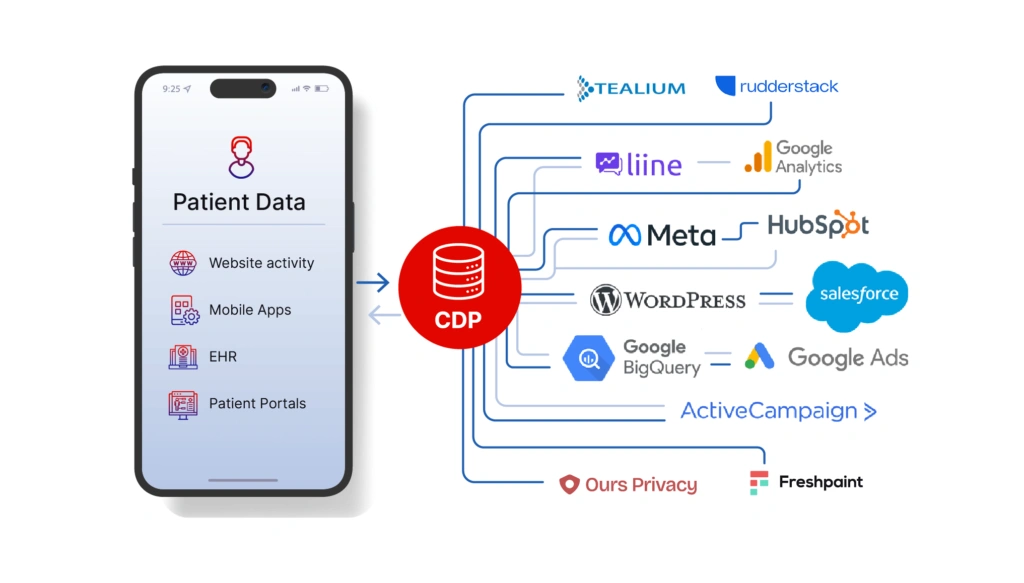
Dental practices need specialized tools to create HIPAA-compliant lead generation funnels on Meta since Meta won’t sign Business Associate Agreements (BAAs). These safeguards allow dental lead generation ads to perform effectively without exposing protected health information. All the same, your dental practice can use these powerful platforms effectively with the right approach.
Proper data handling is the lifeblood of any compliant Meta ads funnel. Your first step should be to implement a HIPAA-compliant form builder like Formsort. This platform securely collects patient information and will sign a BAA. These platforms are a great way to get conditional logic that qualifies patients while protecting sensitive data.
Your tracking and attribution needs server-side solutions:
- You can use middleware tools like Freshpaint or RudderStack to filter out Protected Health Information (PHI) before sending data to Meta
- Make sure the conversion data sent to Meta is fully anonymized
- Remove tracking pixels from pages containing health information
It’s worth mentioning that you should avoid common violations like uploading patient lists to create custom audiences or placing pixels on protected pages. Broader interest-based targeting that doesn’t involve patient identifiers works better.
Many dental practices achieve great results with compliant advertising. With the right infrastructure, dental lead generation ads can drive consistent patient inquiries while remaining fully compliant. BU Dental managed to keep its marketing effectiveness while ensuring compliance through Freshpaint, which reduced its customer acquisition costs.
Do you want more ways to grow your practice compliantly? Our Google Ads for dentists’ services give you additional channels to reach potential patients while you retain control of HIPAA standards.
Optimize and Monitor Your Campaigns Safely
Your Meta ads need constant watchfulness to stay HIPAA compliant. Regular monitoring ensures meta ads dental campaigns continue to perform without creating compliance risks. Regular campaign audits are the foundations of a reliable compliance strategy. Dental practices should review their social media policies regularly to handle new HIPAA requirements. Clear policies are essential for social media marketing for dentists to prevent accidental disclosure of protected information.
These essential safeguards will protect your practice:
- Remove Meta Pixel from pages with PHI and use server-side tracking that filters sensitive data before sharing with advertising platforms
- Clean up URLs and query parameters to remove health information while keeping conversion signals
- Apply de-identification methods so the risk of identifying individuals stays “very small.”
Data handling substantially affects performance. BU Dental cut their customer acquisition costs while staying HIPAA compliant by using server-side tracking solutions. This approach lets them continue using Google Analytics and Meta Ads without losing marketing effectiveness.
Compliance might seem difficult, but specialized tools make it easier to manage. Privacy-first analytics platforms like Freshpaint work as barriers between your practice and ad platforms. They remove PHI before data reaches third parties. These tools help you use powerful marketing features while protecting patient privacy.
Want to grow your HIPAA compliant meta ads? Check our Google Ads for dentists service page to find more channels that help you reach potential patients while following strict HIPAA standards.
Conclusion
Dental practices face real challenges when running HIPAA compliant meta ads campaigns. These challenges become manageable with proper tools and strategies. HIPAA-compliant form builders with BAAs are the foundation for safe lead generation, and server-side tracking solutions help track conversions without exposing protected health information.
The risks are serious. Violations can lead to $50,000 penalties per incident, possible criminal charges, and damage to your reputation that makes compliance mandatory. Your campaigns need regular audits and careful monitoring – these aren’t optional steps anymore.
Dental practices can succeed while following strict compliance rules. Your practice can tap into Meta’s advertising platform through proper data handling and privacy tools without risking patient confidentiality. Marketing goals and regulatory compliance can work together effectively.
The digital world of dental practices keeps changing, but HIPAA compliance basics stay the same. Your dental practice will grow steadily and keep patient trust when you focus on collecting data securely, handling PHI properly, and monitoring systems carefully. These elements are the foundations of every strong patient relationship.
FAQs
How can dental clinics run HIPAA-compliant ads on Meta platforms?
Dental clinics can run HIPAA-compliant ads on Meta by using HIPAA-compliant form builders, implementing server-side tracking for conversions, avoiding retargeting based on protected health information (PHI), and using middleware tools to filter out PHI before sending data to Meta.
What are the risks of non-compliance with HIPAA for dental practices?
Non-compliance with HIPAA can result in severe penalties for dental practices, including fines up to $50,000 per violation, potential criminal charges, loss of medical licenses, and significant damage to the practice's reputation.
Can dental clinics use Meta's lead forms for patient acquisition?
While Meta's standard lead forms are not HIPAA-compliant, dental clinics can use specialized HIPAA-compliant form builders that offer Business Associate Agreements (BAAs) to safely collect patient information through Meta ads.
How can dental practices optimize their Meta ad campaigns while maintaining HIPAA compliance?
Dental practices can optimize HIPAA-compliant Meta ad campaigns by implementing privacy-friendly analytics, de-identifying data before sharing with ad platforms, regularly reviewing and updating compliance policies, and using server-side tracking solutions to maintain conversion data without exposing protected health information.